We have been batching drinks for backyard parties since 2008, and the reason is simple: nobody wants to stand behind a shaker for four hours while the rest of the crew is outside. Batch cocktails are one recipe multiplied up and mixed ahead so the drinks pour themselves, taste consistent from the first glass to the last, and let the host actually attend the party. The math is straightforward once you stop counting ounces and start counting parts, and the difference between a great pitcher and a watery one comes down to two things: dilution and ice.
This guide covers both, plus our house rules for what batches well, what doesn’t, and the four pieces of gear that make the whole operation clean.
What is a batch cocktail?
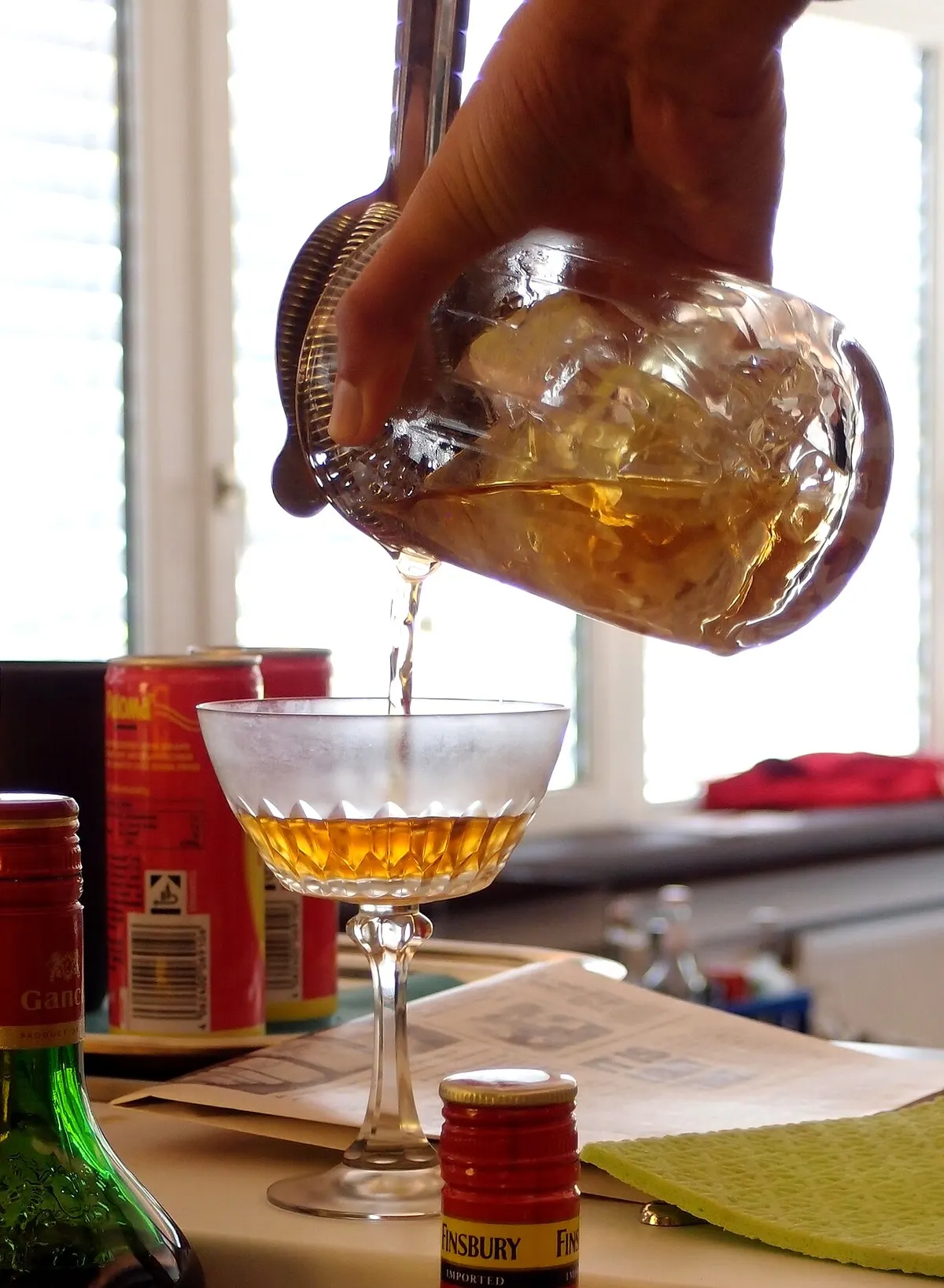
A batch cocktail is a single-drink recipe scaled up to serve a group, mixed in a pitcher, drink dispenser, or punch bowl, and served without individual shaking. The classic bar-book examples are punches (rum punch, planter’s punch), pitcher drinks (sangria, palomas, margaritas), and stirred spirits (negronis, Manhattans, boulevardiers). Anything that would normally get shaken with fresh egg white or dairy does not batch well because the foam and texture die within an hour.
Batching works because most cocktails are proportional. The single-drink recipe defines a ratio of spirit to citrus to sweet, and that ratio holds at any volume. What changes is how you handle two things a shaker would normally do for you: dilution from ice, and chill.
How do you scale a cocktail recipe to a batch?
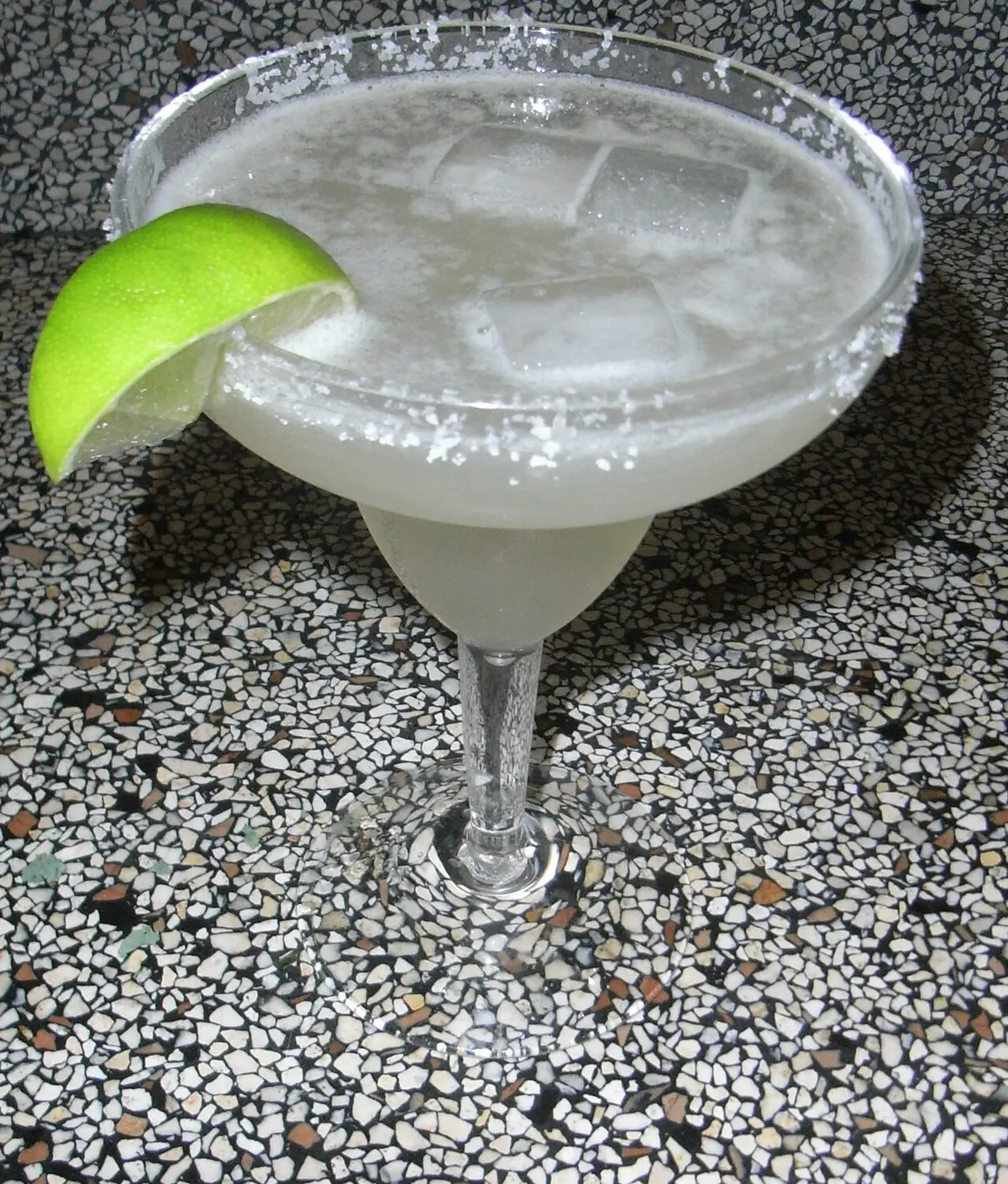
Think in parts, not ounces. That is the whole trick. Take our margarita recipe, which is 2 oz blanco tequila, 1 oz Cointreau, 1 oz fresh lime juice. The ratio is 2:1:1. To scale to any batch size, pick your target drink count, decide on a serving size (we default to 4 oz), and multiply.
Here is the math for a ten-person margarita pitcher, 4 oz per pour:
| Ingredient | Parts | Ratio scaled | Actual oz |
|---|---|---|---|
| Blanco tequila | 2 | 20 | 20 oz |
| Cointreau | 1 | 10 | 10 oz |
| Fresh lime juice | 1 | 10 | 10 oz |
| Cold water (15% dilution) | — | — | 6 oz |
| Total | 46 oz |
That yields about eleven 4 oz pours, which gives you a buffer for that one friend who always drinks fast. The 15% water number is the dilution a proper shake would have added, and skipping it makes the finished drink taste hot and unbalanced.
The 15% dilution rule
The single biggest mistake home batchers make is forgetting that a shaker adds water to every drink. A hard 12 to 15 second shake dilutes a cocktail by 20 to 25% of its starting volume. If you skip the shake, you have to add that water back, or the finished drink lands stronger, hotter, and less balanced than the single you were trying to recreate.
Our rule for pitcher and dispenser drinks:
- Served up (in a chilled coupe or martini glass): add water at 20% of the spirit-citrus-sweet volume.
- Served on the rocks: add water at 15% and let the ice cube in the glass finish the job.
- Served over a punch-bowl ice ring: add water at 10%, because the ring will contribute more melt as the party runs.
The finished batch should taste right when you sip a room-temperature spoonful. If it tastes hot, add a splash more water; if it tastes flat, add citrus, never spirit. Correct before the ice goes in.
How do you keep a batch cocktail cold without watering it down?
One giant piece of ice. That is the whole answer. A ring or block melts far slower than cubes because it has a lower surface-area-to-volume ratio, which means less contact with the warm liquid per second and less dilution over an afternoon.
The cheapest way to get a great ring is a Bundt pan. Fill it with an inch and a half of water (or, better, with punch-flavored water you set aside earlier), drop in citrus wheels and berries, and freeze for at least six hours. Unmold by dipping the pan into warm water for 20 seconds, then float the ring in the punch bowl or drop it, hole side down, over the base of a dispenser jar.
One Bundt ring holds a 2 gallon dispenser cold for about 3 to 4 hours. Keep a second ring in the freezer for the swap.
 Nordic Ware Anniversary Bundt Pan, 15 Cup. Best mold for a slow-melt punch ice ring. Heavy cast aluminum, fluted profile looks impressive floating in a bowl, and the 15 cup size drops cleanly into most 2 to 3 gallon dispensers. Made in the USA, and the pan doubles as a real Bundt for a cake later.
If a Bundt pan is not in the budget, freeze punch in silicone loaf molds, quart takeout containers, or even a clean plastic ice cream tub. Anything bigger than a fist works.
Punch bowl or drink dispenser?
Both work. The dispenser wins for anything over about ten guests, and here is why:
| Drink dispenser | Punch bowl | |
|---|---|---|
| Serves cleanly | Spigot, self-serve, no ladle | Ladle, easy to spill |
| Keeps flies out | Lid seals | Open surface |
| Ice management | Ring drops in, spigot pours around it | Ring floats, gorgeous, works |
| Refills | Pour from top, no fuss | Ladle empties, refill visible |
| Looks | Modern, functional | Classic, festive, table centerpiece |
| Party size | 8 to 30+ | 6 to 20 |
| Cost | $30 to $60 for a good 2 gallon glass | $25 to $100 depending on material |
For most home parties we default to a glass dispenser on a wooden bar or side table, with a stack of cups and a small bin of ice for anyone who wants their drink on the rocks. A dispenser also paces the crowd, since people serve themselves smaller pours than they’d ladle.
 NETANY 2 Gallon Glass Beverage Dispenser. Best overall party dispenser. Real glass jar (not the wobbly acrylic dispensers that scratch and crack), 18/8 stainless spigot that actually seals, and a metal stand tall enough to fit a cup underneath. The wide mouth fits a Bundt ice ring without a fight. Hand-wash the spigot; the jar goes in the dishwasher.
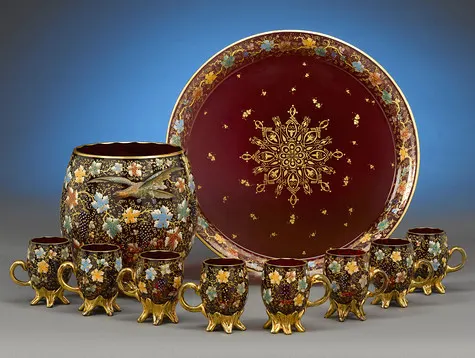
For the classic look on a holiday table, a glass punch bowl still earns its space. We keep an heirloom set for the two weekends a year it comes out, and it is the piece guests photograph.
Our best batch cocktail recipes
Every recipe below is written to serve ten 4 oz drinks so the math is comparable. Scale up or down by multiplying every number by the same factor. Add the water dilution at the ratio matching your service style.
Red-wine sangria (the party workhorse)
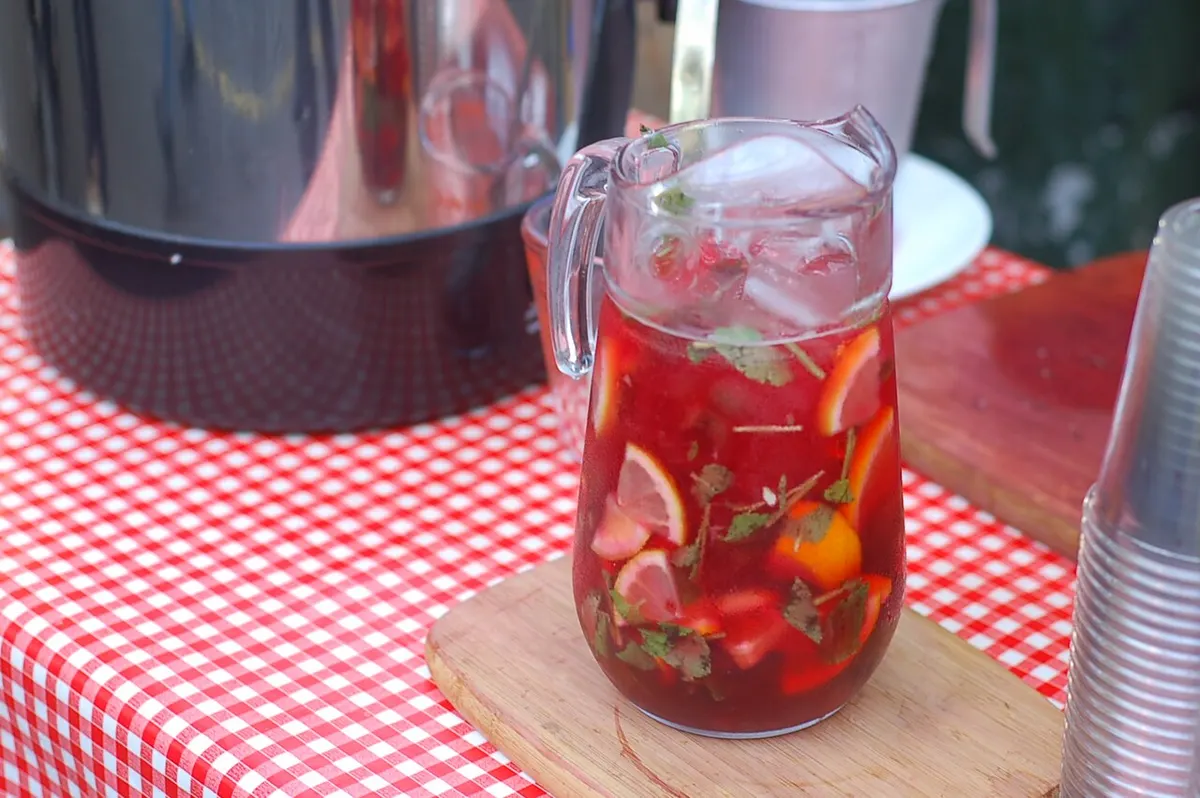
The one drink that improves in the pitcher. Build 4 hours ahead, no earlier, or the fruit turns to mush.
- 2 bottles (1500 mL / ~50 oz) dry red wine (Rioja, Garnacha, or a cheap Tempranillo)
- 8 oz brandy (Spanish, Italian, or California, whatever is on hand)
- 6 oz orange liqueur (Cointreau or Combier)
- 4 oz simple syrup
- 6 oz fresh orange juice
- 1 large orange, 1 lemon, and 1 apple, sliced into wheels
- Add a splash of soda water only at the glass, never in the pitcher
Combine wine, brandy, orange liqueur, simple, and juice in a 1 gallon dispenser or a large pitcher. Add the fruit. Chill 3 to 4 hours. Drop in a Bundt ice ring 30 minutes before guests arrive. Top each pour with 1 to 2 oz cold soda water at the glass to lift the fruit.
Big-batch margarita
The frozen-blender margarita is a different animal; this is our classic on-the-rocks pitcher.
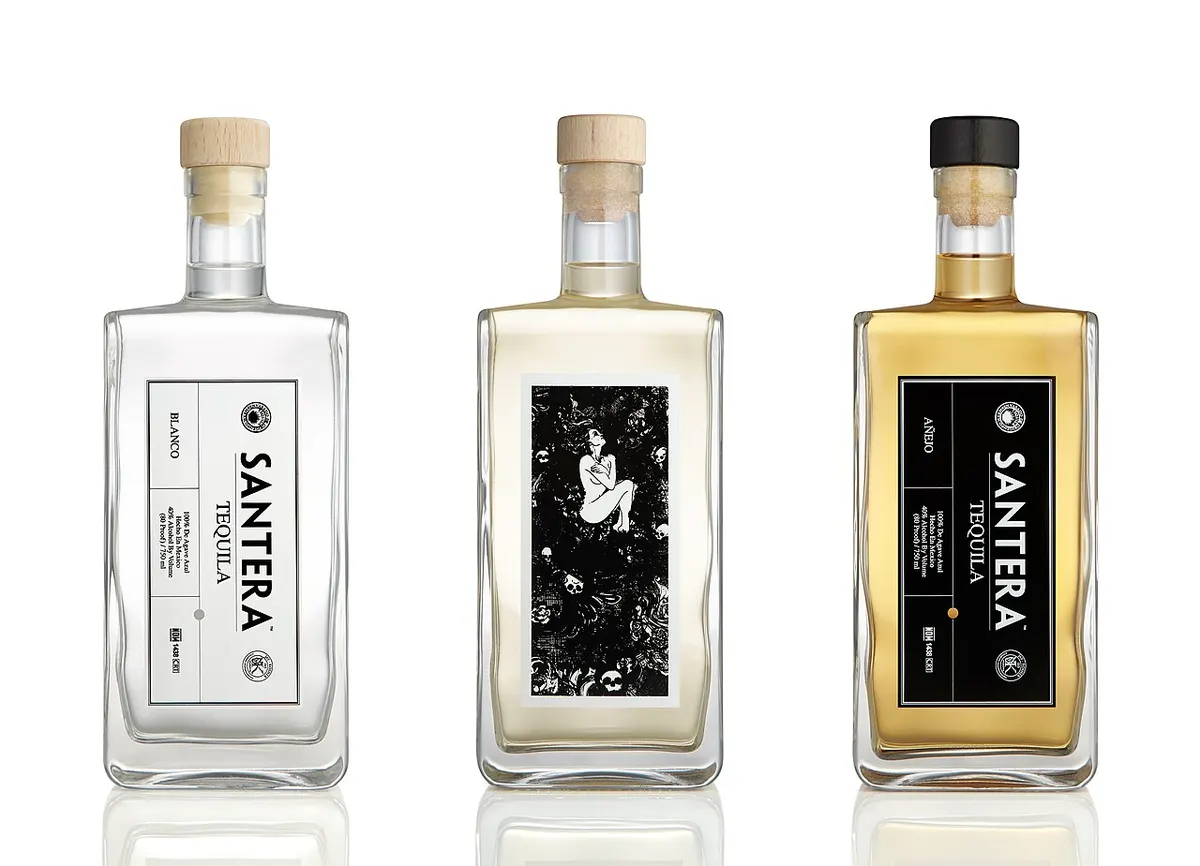
- 20 oz blanco tequila (100% agave, something under $30 a bottle)
- 10 oz Cointreau
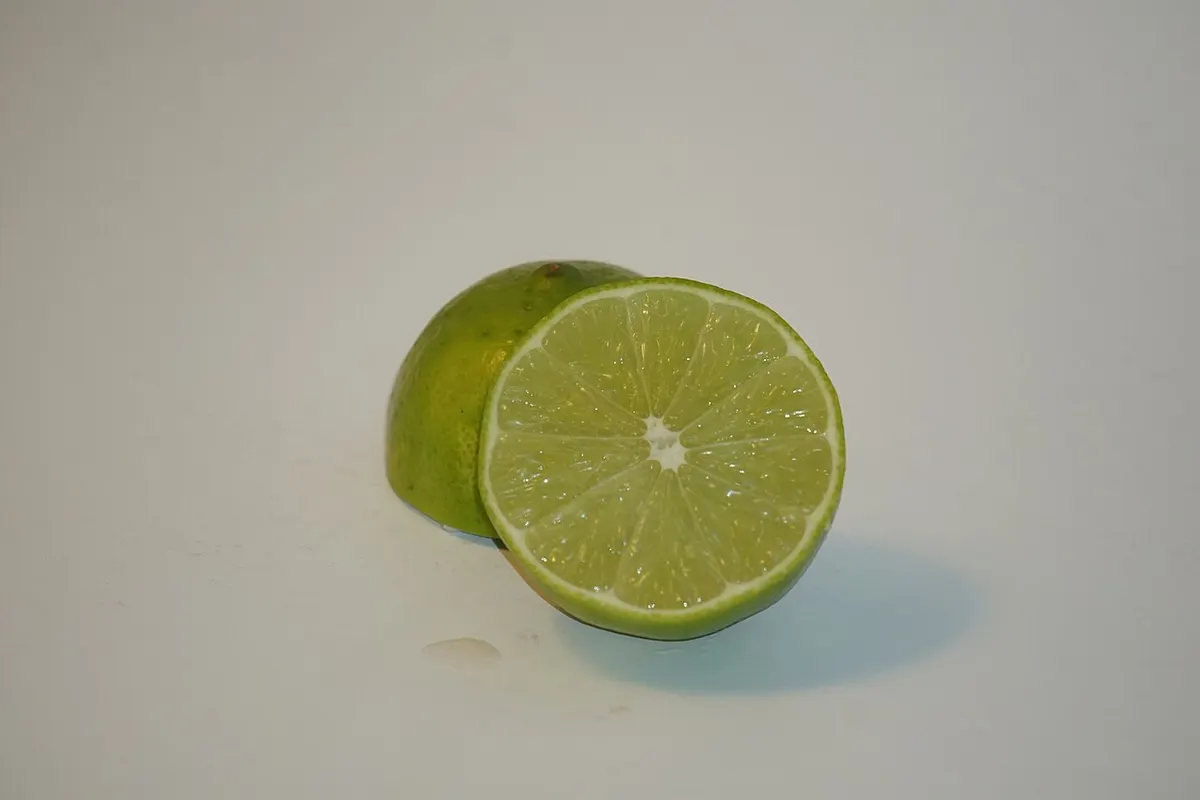
- 10 oz fresh-squeezed lime juice
- 6 oz cold water
- Kosher salt for the rim
- 1 large orange for peels, or 3 limes for wheels
Combine the tequila, Cointreau, lime juice, and water in a pitcher. Stir. Serve over ice in salt-rimmed rocks glasses; garnish with a lime wheel. This is our house pitcher, and it is why we always keep an extra bottle of Cointreau in the pantry.
Rum punch (Trader Vic’s 1:2:3:4)
The oldest batch formula in the book, and it still works: 1 sour, 2 sweet, 3 strong, 4 weak. In ounces for our ten-drink batch:
- 8 oz fresh lime juice (the sour, 1 part)
- 16 oz simple syrup, or 12 oz simple + 4 oz Grenadine for color (the sweet, 2 parts)
- 24 oz aged rum (a mix of a light Barbados and a dark Jamaican gives the best depth) (the strong, 3 parts)
- 32 oz cold water (the weak, 4 parts, this replaces both ice-melt and adds volume)
- 8 dashes Angostura bitters
- Nutmeg to grate over the top
Combine in a punch bowl over an ice ring. Grate nutmeg on top just before serving. This drinks softer than it reads on paper because of the water, which is the whole point of the formula.
Negroni pitcher (stirred, no citrus)
The easiest batch on this list. Equal parts, no dilution to think about because you serve it over a big ice cube.
- 15 oz London dry gin
- 15 oz Campari
- 15 oz sweet vermouth (Carpano Antica or Punt e Mes if you can find it)
- Orange peels for garnish
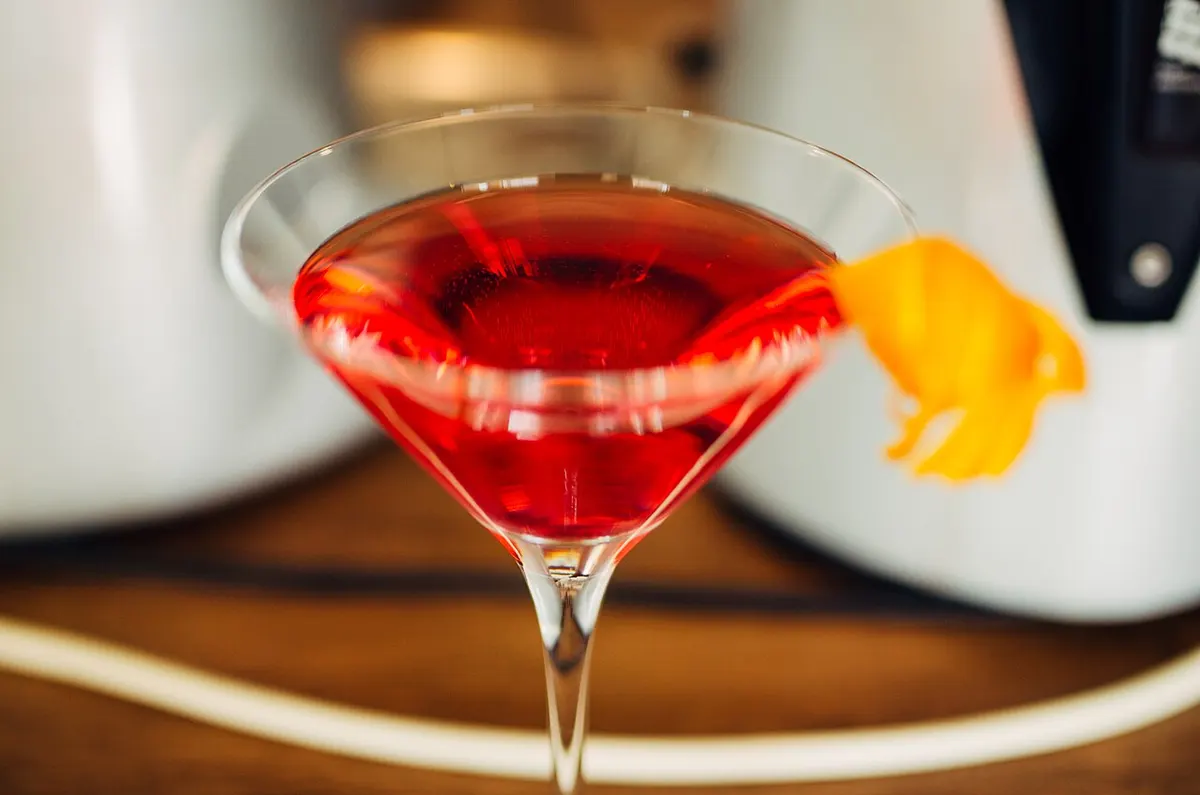
Combine in a bottle or pitcher; store in the fridge for up to 5 days. Serve 3 oz over one large fresh ice cube in a rocks glass, expressed orange peel on top. This gets better after a night in the fridge, and it makes ten drinks with almost zero party-day work.
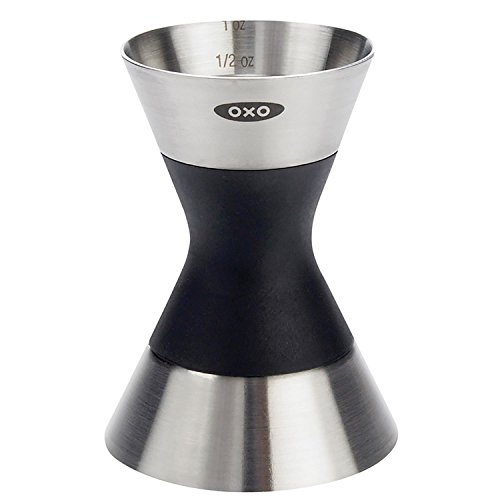 OXO SteeL Double Jigger, 1 oz / 2 oz. Best measuring jigger for scaling parts into ounces. The etched interior lines at 1/2 and 3/4 oz make part-math clean when a recipe calls for fractional pours. Weighted enough not to tip; the flat rim is easy to level with a finger. Under fifteen bucks and it lives in the drawer forever.
For more jigger picks and why the right one matters, see our best jiggers and bar tools guide.
Which cocktails batch well and which do not?
Not every drink survives the pitcher. Here is the cheat-sheet we work from:
| Drink type | Batch? | Why |
|---|---|---|
| Sangria | Yes, 4 hr ahead | Improves in the pitcher, fruit macerates |
| Margarita | Yes, same day | Fresh lime holds 4 hours |
| Paloma | Yes, add grapefruit soda at the glass | Carbonation dies in a pitcher |
| Negroni / Manhattan / Boulevardier | Yes, days ahead | No citrus, stirred, gets better |
| Rum punch | Yes, morning of | Improves with an hour of rest |
| Aperol spritz | Yes but split | Batch the Aperol + wine; add soda at the glass |
| Old fashioned | No, build to order | Ratio is too spirit-forward to batch well |
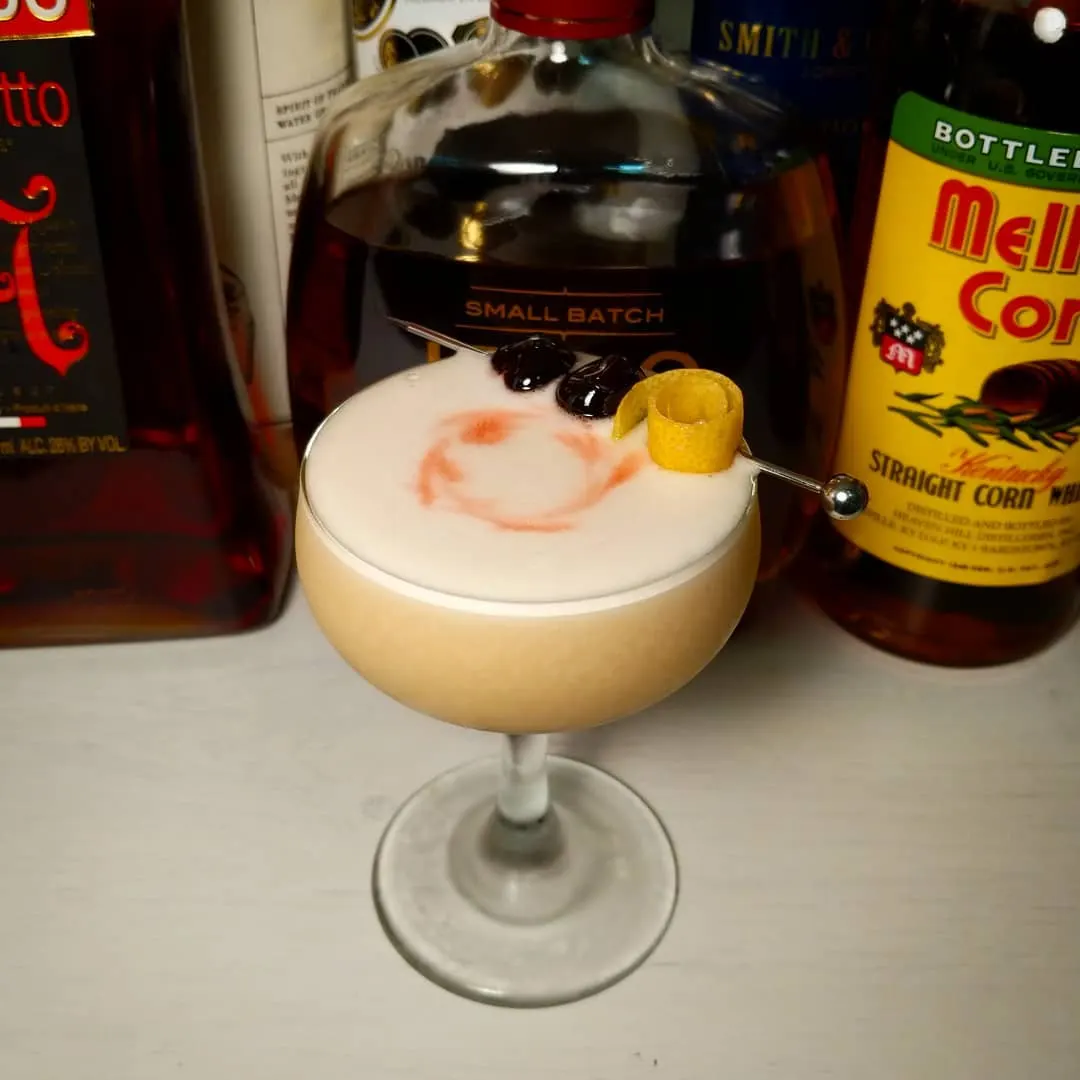
| Whiskey sour with egg white | No | Foam requires an individual dry shake |
| Espresso martini | No | Foam and coffee crema die within minutes |
| Anything with fresh cream | No | Separates and curdles |
| Mojito | Half | Batch the rum, lime, and syrup; muddle mint and top with soda at the glass |
The rule of thumb: if the drink relies on foam, carbonation at pour, muddled fresh herbs, or fresh dairy, do not batch the whole thing. Batch the base and finish at the glass.
Making a fresh single mid-party
The one exception to a full-batch night is the guest who asks for something off-menu. Keep a shaker within reach for that. We keep a Boston set on the bar cart specifically for the one-off order, and it lets us make an old fashioned or a whiskey sour without dismantling the dispenser setup.
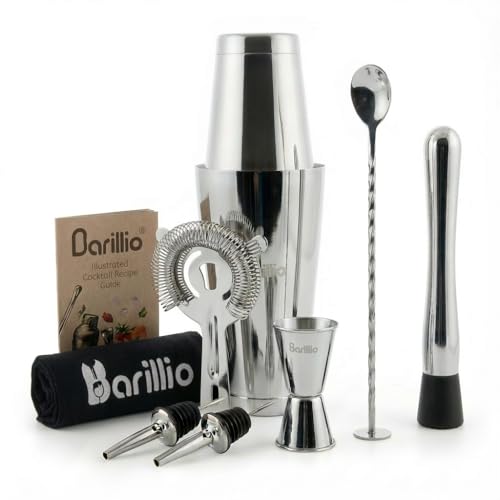 Barillio Boston Shaker Set. Best backup shaker for the mid-party one-off. Weighted 18 oz and 28 oz tins seal with a slap and break with a palm-heel tap, Hawthorne strainer and a small jigger in the box, all under thirty bucks. This lives on our bar cart for the guest who orders a whiskey sour when the pitcher is a paloma.
More shaker picks in our best cocktail shaker sets guide.
How much do I need per person?
Plan on 2 to 3 four-ounce drinks per adult guest over a 3 to 4 hour party. Some guests will have five; some will have one; that average holds for a mixed crowd of drinkers and non-drinkers. In gallons:
| Guest count | 3 hour party | 4 hour party |
|---|---|---|
| 6 | 1/2 gallon | 3/4 gallon |
| 10 | 1 gallon | 1.25 gallon |
| 15 | 1.25 gallon | 1.75 gallon |
| 20 | 1.75 gallon | 2.25 gallon |
| 30 | 2.5 gallon | 3.5 gallon |
Always have water and something non-alcoholic on the same table. A pitcher of infused water (cucumber-mint or lemon-basil) gives the non-drinking guests something that feels like a drink, and it keeps the alcohol drinkers pacing themselves without noticing.
Responsible drinking, from the crew
Batch drinks make it easy for a guest to lose track of how much they’ve had, because the pour is theirs to control and the pitcher is always right there. We plan for that:
- Serve every batch at 4 oz per pour, not 6 or 8, and use cups that size.
- Keep water and something non-alcoholic (hop water, an NA spirit spritz, or an infused water) on the same table.
- Set out food that has some fat and salt in it. Bread, cheese, chips, olives.
- Have a plan for guests to get home safe. Rideshare, designated driver, or a spare room.
- If a guest is drinking fast, offer them a water refill before their next pour. Do it once, don’t lecture.
None of this is preachy. It is what makes hosting a party a good time for you and the guests.
For alcohol-free batch options that actually taste good, see our best non-alcoholic spirits picks, or the best NA beer roundup for guests who want a beer that isn’t a beer.
Quick answers
Q: What is a batch cocktail? A batch cocktail is a single cocktail recipe multiplied up and mixed ahead in a pitcher, dispenser, or punch bowl so you can serve a crowd without shaking one drink at a time. The classics that batch cleanly are the ones without shaken egg white or fresh dairy.
Q: How do you scale a cocktail recipe to a batch? Think in parts, not ounces. If the single is 2 oz spirit, 1 oz citrus, 3/4 oz sweet, that is 2:1:0.75. For a pitcher that serves ten 4 oz drinks, multiply each part by ten and match your total to about 40 oz plus 15% water for dilution. A double jigger keeps the math tidy.
Q: How much water should I add to a batch cocktail? About 15% of the total spirit-citrus-sweet volume as cold water, or roughly 1/2 oz per finished drink. That replaces the dilution a shaker would give you. If you serve on the rocks, drop it to 10% and let the ice in the glass finish the job.
Q: How far ahead can I make a batch cocktail? Spirits, liqueurs, and simple syrup keep for days once combined. Fresh citrus loses brightness after 4 to 6 hours in the mix. Build the spirits ahead, add fresh juice within 4 hours of pouring, and add sparkling wine, soda, or tonic only when you pour.
Q: Should I use a punch bowl or a drink dispenser? A dispenser with a spigot is neater, keeps flies out, and paces the crowd because they self-serve. A punch bowl looks better on the table and lets you show off fruit and an ice ring. Both work; we default to a dispenser for anything over ten guests.
Q: How do I keep a batch cocktail cold without watering it down? Freeze a Bundt-pan ice ring the day before. A ring of ice melts far slower than cubes because it has less surface area per unit volume. One ring will hold a 2 gallon dispenser cold for 3 to 4 hours.
Q: Which cocktails batch well and which do not? Great for batching: sangria, margaritas, palomas, negronis, Manhattans, rum punch, mules, spritzes. Skip batching: whiskey sours or gin fizzes with egg white, espresso martinis (the foam dies), and anything with fresh cream. Add carbonation last, at the glass, not in the batch.
Q: How much batch cocktail do I need per person? Plan on 2 to 3 four-ounce drinks per adult guest over a 3 to 4 hour party. For 10 guests, that is roughly 80 to 120 oz finished, or about 1 gallon in the dispenser. Always have water and something non-alcoholic on the same table.
The takeaway
Pick a drink that batches cleanly, scale it in parts, add water at 15% of the mixed volume, chill it with a Bundt-pan ice ring, and pour it from a 2 gallon glass dispenser. Add fresh juice within 4 hours; add carbonation at the glass. Keep a Boston shaker on the bar cart for the one-off order. Serve 4 oz pours. Have water on the table.
Do those seven things and you are the host who actually gets to enjoy the party. That has been the point since 2008.
Related on Drink101: The Margarita: Fresh-Lime Recipe & Ratios, Whiskey Sour: The Real Recipe, Best Cocktail Shaker Sets, and Best Jiggers & Bar Tools. External: the International Bartenders Association official cocktail list has spec sheets for most of the classics we mention above.