We have been building margaritas behind this bar since 2008, and the drink is still the most abused cocktail in America. Somebody dumps a bottle of neon sour mix over ice, calls it a margarita, and moves on. The real margarita recipe is three ingredients, one lime, one shake. Get the ratio right, use fresh juice, and you will taste the tequila the way the drink was designed to taste.
What is the classic margarita recipe?
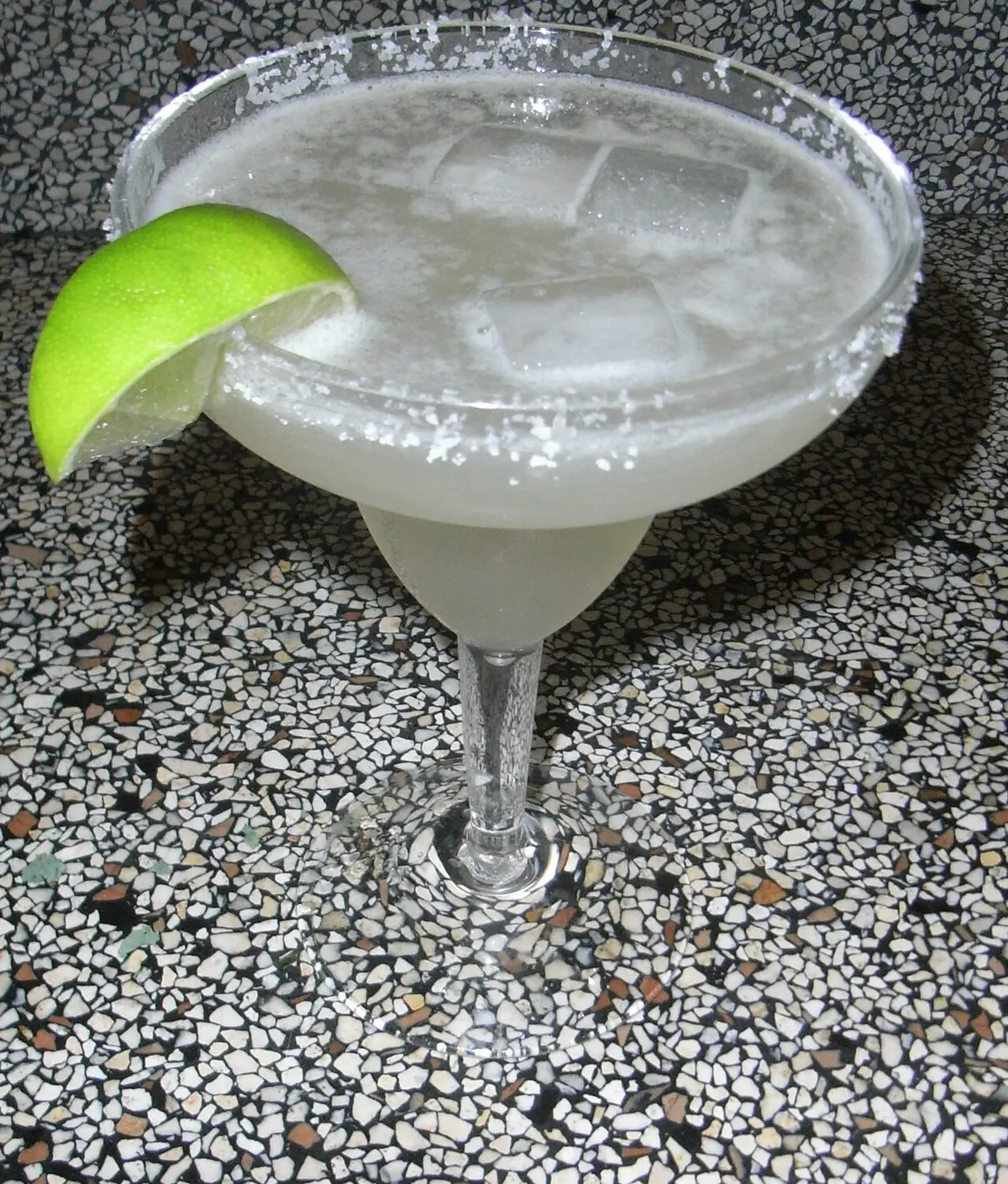
Two ounces of blanco tequila, one ounce of Cointreau, one ounce of fresh-squeezed lime juice. Shake hard with ice, strain into a chilled rocks glass over fresh ice, and rim half the glass with kosher salt. That is our house build, the 2:1:1, and it is what most working bartenders pour today when nobody is watching.
Here is the exact method:
- Cut a wedge of lime and run it around the outer edge of one half of a chilled rocks glass. Roll that half in kosher or flaky salt on a small plate. Salt one side only, so the drinker can choose.
- Squeeze fresh lime juice, about one lime per drink, and strain out the pulp.
- Combine 2 oz blanco tequila, 1 oz Cointreau, and 1 oz fresh lime juice in a shaker with plenty of ice.
- Shake hard for 12 to 15 seconds, until the outside of the tin frosts over.
- Strain into the salted rocks glass over one large fresh ice cube.
- Garnish with a thin lime wheel on the rim.
That is the drink. Twenty seconds of prep once your lime is squeezed, and it beats every frozen-machine version we have ever paid twelve dollars for.
What ratio actually works: 2:1:1 or 3:2:1?
Both are called “classic,” and both show up in old bar books. We pour the 2:1:1 because it tastes better with modern tequila. Here is how they compare when you actually put them side by side.
| Ratio | Tequila | Orange liqueur | Lime | What it tastes like |
|---|---|---|---|---|
| 2:1:1 | 2 oz | 1 oz | 1 oz | Balanced, tart, tequila stays present |
| 3:2:1 | 1.5 oz | 1 oz | 0.5 oz | Sweeter, boozier, less citrus snap |
| Tommy’s | 2 oz | none | 1 oz | Drier, plus 0.5 oz agave syrup, no triple sec |
The 3:2:1 was written down in the 1940s when tequila was rougher and needed the extra orange liqueur to smooth it out. Modern 100 percent agave blanco does not need the cover, and burying it under two ounces of Cointreau turns the drink into candy. The 2:1:1 keeps everything in balance and lets the tequila be the star of the drink you are supposedly making.
If you like a drier, less sweet margarita, skip the Cointreau entirely and pour a Tommy’s: 2 oz reposado tequila, 1 oz fresh lime juice, 0.5 oz agave syrup, shake, strain. Julio Bermejo invented that build at Tommy’s Mexican Restaurant in San Francisco in the early nineties, and it is now the pour of choice for people who think orange liqueur muddies the drink. PUNCH has the original Tommy’s spec if you want to read the source.
What tequila should I use in a margarita?
Blanco, 100 percent agave, mid-shelf. Reposado works if you like a rounder, oakier drink, but blanco is the default because it lets the citrus pop.
The one non-negotiable is “100% de agave” on the label. If the bottle says “mixto” or does not list the agave percentage, it is cut with other sugars and it will give you the kind of hangover that people blame on tequila in general. Real 100 percent agave tequila does not do that.
Bottles that make a good margarita without breaking the bank
| Tequila | Style | Approx. price | Best for |
|---|---|---|---|
| Espolòn Blanco | Blanco | $25 | Everyday house margarita |
| Lunazul Blanco | Blanco | $22 | Best value, batch parties |
| Cazadores Reposado | Reposado | $28 | Rounder, oakier margarita |
| Herradura Silver | Blanco | $40 | When guests are watching |
| Fortaleza Blanco | Blanco | $50 | Special-occasion pour |
Prices are what we have seen at Illinois and Wisconsin retailers this year and will drift a couple dollars either direction depending on your state. Any of these makes a good drink. If you want us to talk you out of a hundred-dollar tequila for a mixed cocktail, we will. Save the sipping bottles for a neat pour in a proper glass.
Cointreau or triple sec: does it matter?
Yes, and it is the second-biggest upgrade after using fresh lime.
Cointreau is a French orange liqueur, 40 percent ABV, made from sweet and bitter orange peels. It costs about $40 and tastes like actual orange. Generic triple sec is usually 15 to 20 percent ABV, sweeter, thinner, and often runs $10 for the same bottle size. In a drink with only three ingredients, that difference lands hard.
Grand Marnier is the other common swap, and it works if you want a richer margarita with cognac notes. That build gets called a “Cadillac margarita” and it is genuinely delicious, if a little pricier per drink.
If you cannot find or afford Cointreau, Combier is the second-best option and runs cheaper. Skip anything labeled simply “triple sec” without a brand you recognize, it is almost always the sweet syrupy version and the drink will show it.
Do I really need to salt the rim?
Only if you like it, and only on half. Salt on the rim is not decoration, it is a flavor tool. A tiny hit of salt on the lip of the glass amplifies the lime, softens any harshness in the tequila, and makes your first sip taste sharper and rounder at the same time. The catch is that not everyone wants salt on every sip.
Rim half the glass. That way the drinker can turn the glass and pick which side they want. If somebody hates salt, they turn it around. If somebody loves it, they can take every sip through the salted side. This is the small hospitality move that separates a home bar from a house that just pours drinks.
Use kosher salt or flaky sea salt, not iodized table salt. Iodized salt tastes metallic. Some bars mix in a pinch of chili powder for a Tajín-style rim, which is worth trying at least once.
What glass and what ice?
A heavy rocks glass or a stemless coupe, both work. Skip the giant fishbowl margarita glass unless you are running a Cinco de Mayo pop-up. A 10 to 12 ounce rocks glass is the right size to hold the drink plus one large cube of ice without the pour looking sad.
The ice matters more than most people think. One large 2-inch cube in the glass, plus a shaker full of standard cubes for shaking. Small ice in the glass melts fast and turns the drink watery by the third sip. Big ice in the glass keeps the temperature down and the dilution slow, which is the same reason we insist on it in our old fashioned recipe.
If you do not own good silicone molds yet, we have a full rundown in our guide to the best ice molds for cocktails. The right ice makes cheaper tequila taste like more expensive tequila, which is a rare bargain.
If you are still building out the rack from scratch, our home bar essentials walks through every tool we actually reach for behind our own bar, and the best cocktail shaker sets piece covers the shaker choice in more detail.
What are the most common margarita mistakes?
We have watched people build this drink for eighteen years and the same errors come up every time.
Bottled lime juice. This is the single biggest reason home margaritas taste bad. Preserved citrus juice tastes stale within a week of opening and has a metallic note that no amount of good tequila can fix. Squeeze fresh, always.
Sour mix. Same problem, worse. Most bottled sour mix is high-fructose corn syrup, citric acid, artificial lime flavor, and yellow dye. If you already have sour mix in the pantry, use it for wing marinade and buy limes.
Cheap mixto tequila. If the label does not say “100% de agave,” the bottle is cut with cane sugar spirits. It will make a drink and it will make a headache. Spend $22 on Lunazul and never look back.
Too much orange liqueur. If your margarita tastes like Sunny D, cut the Cointreau to three-quarters of an ounce before you change anything else.
Salt on the whole rim, dumped in. Even people who love a salt rim get tired of it by sip four. Rim half the glass on the outside edge, never dip the rim into the salt from above, that lands salt inside the glass and into the drink.
Blender full of ice for a “frozen” version. If you want a frozen margarita, you need way less ice than you think and a stronger drink to compensate for the dilution. That is a separate article. For a classic margarita, shake it, do not blend it.
Quick answers
What is the exact margarita ratio? 2 oz blanco tequila, 1 oz Cointreau, 1 oz fresh lime juice. Shake hard with ice, strain over fresh ice in a salt-rimmed rocks glass, garnish with a lime wheel.
Blanco or reposado tequila for margaritas? Blanco is the default, brighter and more citrus-friendly. Reposado is smoother and works well if you like a rounder, slightly oakier drink.
Cointreau or triple sec? Cointreau. Generic triple sec is thinner, sweeter, and lower proof, and the drink will taste like it. Combier is a solid budget swap. Grand Marnier makes a “Cadillac” version with cognac notes.
Is a margarita strong? Yes. Ours is about 27 percent ABV, roughly 1.8 standard drinks in one serving. This is a sipper, not a shooter. Pace yourself and drink water between rounds.
Fresh lime or bottled? Fresh, every time. Bottled lime juice tastes preserved and has a metallic aftertaste that no upgrade to your tequila will fix. One large lime gives about an ounce.
Should I shake or stir? Shake. Margaritas contain citrus juice, and citrus needs the aeration and colder chill that a hard shake provides. Stirring a margarita gives you a flat, warm drink.
Can I batch this for a party? Yes. Multiply the tequila, Cointreau, and lime juice, stir together, refrigerate. Pour 4 oz per drink over fresh ice in salt-rimmed glasses. Do not add ice until service, batched margaritas over ice go watery fast.
A note on drinking this responsibly
A margarita is a stronger drink than most people think. Four ounces of finished cocktail at 27 percent ABV is more alcohol than a full pint of most beers, and it goes down easier because the citrus and salt cover the burn. We pour these one per hour, keep a water glass on the coaster next to the drink, and never build a second one for someone whose first is still sitting full. The whole point of learning this recipe is to enjoy a really good cocktail, not to end the night early. This site assumes you are of legal drinking age and drinking on your own terms.
For history and background, the IBA official cocktails list shows the current recognized spec, and the Wikipedia entry on the margarita traces the drink’s murky origin story if you want to fall down that rabbit hole.
That is the whole margarita recipe as we make it. Three ingredients, one shake, one lime. Squeeze fresh, measure carefully, salt half the rim, and you will pour a better margarita at home than most restaurants will serve you.