We have been making bar syrup behind this counter since 2008, and it is still the cheapest, highest-leverage upgrade in a home bar. Simple syrup turns a bag of sugar and a cup of water into the same sweetener a good cocktail bar uses, and once you have a bottle in the fridge, drinks stop tasting flat. This guide is our house method: the ratio question settled, the shelf-life numbers we actually track, and the four flavored syrups we bottle on repeat.
The whole thing takes 5 minutes on the stove and about $0.30 in sugar. If you already own a saucepan and a bar spoon, you are ready.
What is simple syrup and why does every home bar need it?
Simple syrup is sugar dissolved into water so it stops being a solid. Granulated sugar does not dissolve well in cold liquid, which is why a spoonful stirred into iced tea sits at the bottom of the glass. Turning it into syrup fixes that problem, and it does two useful things at the bar: it sweetens evenly, and it thins the drink slightly so the spirit does not sit heavy on the tongue.
Every classic sour, a whiskey sour, a daiquiri, a margarita, a gimlet, is built on a spirit-citrus-sweet triangle. The sweet leg of that triangle is simple syrup. Bar-quality drinks are made with bar-quality syrup. Bottled sour mix from the grocery aisle is 90% corn syrup and citric acid, and every drink built on it tastes the same.
How do you make simple syrup at home?
The classic 1:1 recipe:
- Combine 1 cup white granulated sugar and 1 cup filtered water in a small saucepan over medium heat.
- Stir gently with a bar spoon or wooden spoon until the sugar fully dissolves and the liquid runs clear, about 2 to 3 minutes.
- Pull the pan off the heat the moment it clears. Do not let it boil. Boiling evaporates water, which changes your ratio and darkens the flavor.
- Cool to room temperature, then strain through a fine mesh strainer into a clean glass bottle or Mason jar.
- Label the bottle with “1:1” and the date. Refrigerate. Use within 4 weeks.
The yield is about 1.5 cups (12 oz) because sugar takes up its own volume in solution. That is enough syrup for roughly 16 cocktails at 0.75 oz per drink.
1:1 or 2:1 rich simple syrup: which one do you need?
The most common question we get. Short answer: 1:1 is the default because that is what classic cocktail recipes assume. Rich (2:1) syrup is a specialist tool. It is sweeter per ounce, thicker in the mouth, and lasts far longer in the fridge, but it will oversweeten most standard recipes if you swap it straight in.
| Type | Ratio (sugar : water) | Sweetness | Mouthfeel | Fridge life | Best for |
|---|---|---|---|---|---|
| Classic 1:1 | 1 : 1 by volume | Baseline (Brix ~50%) | Thin, pourable | ~4 weeks | Sours, daiquiris, margaritas, iced tea, lemonade, coffee |
| Rich 2:1 | 2 : 1 by volume | ~1.5x sweeter | Thicker, silkier | Up to 6 months | Old fashioneds, tiki drinks, batch cocktails, syrups you want to keep |
If you build a whiskey sour with 0.75 oz of 1:1 and want to swap in 2:1, drop it to about 0.5 oz. If you build an old fashioned and swap 2:1 in for 1:1, half a bar spoon is plenty.
For most home bars, the honest answer is: keep one bottle of 1:1 in the door of the fridge, and if you find yourself making a lot of stirred whiskey drinks, keep a small bottle of 2:1 next to it.
How long does simple syrup actually last?
The shelf life is a sugar concentration problem, not a mystery. Sugar at high concentration binds up the free water that yeast and mold need to grow, which is why jam and honey are shelf-stable. Simple syrup lives in the middle of that curve.
| Ratio | Approx. sugar by weight | Fridge life (sealed, clean bottle) |
|---|---|---|
| 1:1 simple | ~50% (Brix) | ~4 weeks |
| 1.5:1 | ~60% | ~2 months |
| 2:1 rich | ~66% | Up to 6 months |
Two rules that keep syrup safe:
- Always refrigerate. Room-temperature syrup is a fast lane to fermentation.
- Bottle it clean. Run your bottle through the dishwasher on hot, or rinse with boiling water, before you fill it. Contamination is what kills syrup, not age.
If a bottle looks cloudy, smells sour, or has a fizz to it, it is done. Pour it out and start fresh. Simple syrup costs $0.30 to make, so this is never a big loss.
Flavored simple syrups worth keeping in the fridge
Once you have the base method, flavor is just an infusion step. Add the ingredient to the warm syrup off the heat, let it steep, and strain. These are the four we go back to.
Demerara or turbinado syrup (for whiskey drinks)
Use 1 cup demerara sugar and 1 cup water. Same 1:1 method. The syrup is amber, slightly molasses, and it is the correct sweetener in a proper old fashioned. If you have only ever used white sugar syrup in a whiskey drink, demerara is a noticeable upgrade. Keeps 4 to 6 weeks refrigerated.
Vanilla syrup
Make a batch of 1:1 syrup. Off the heat, split one vanilla bean pod down the middle, scrape out the seeds with a knife tip, and drop both seeds and pod into the warm syrup. Let it steep overnight in the fridge, then strain out the pod (rinse and save it, one pod can flavor 3 or 4 batches). This is the syrup that makes an espresso martini taste like a coffee shop.
Fresh ginger syrup
Peel and thinly slice about 4 oz of fresh ginger. Make a batch of 1:1 syrup, and once the sugar dissolves, drop in the ginger. Let it steep off the heat for 30 to 45 minutes, tasting as you go. Strain before bottling. Use in a Moscow Mule, a whiskey ginger, or over sparkling water for a no-alcohol drink that actually tastes like something.
Honey syrup (not the same as honey)
Straight honey is too viscous to mix into a cold cocktail; it beads up in the shaker. Cut it with warm water at 3:1 honey to water (3 tablespoons honey, 1 tablespoon warm water) and stir until smooth. This is what a Bee’s Knees or a Gold Rush is actually built with. Keeps about 2 weeks in the fridge.
The small bar tools that make syrup work
You do not need much. If you are already stocked from our home bar essentials or best jiggers and bar tools roundup, you probably have both of these. If not, these are the two we reach for every time we build a syrup or a drink that uses one.
 OXO SteeL Angled Measuring Jigger. Best for measuring syrup by the ounce when you build a drink. The interior lines let you read the pour from above instead of squinting at a side line, which matters when you are adding 0.25 oz of syrup to an old fashioned and any spill shows.
 Barfly Teardrop Bar Spoon, 30 cm. The spoon we use to stir syrup on the stove and to stir it into a drink. Long enough to reach the bottom of a mixing glass, weighted teardrop end helps a clean stir, and the twisted shaft actually helps you spin it between two fingers. A stubby kitchen spoon technically works, but not for long.
Where the syrup ends up
Once you have a bottle in the fridge, put it to work. Our house cocktail recipes that lean on simple syrup:
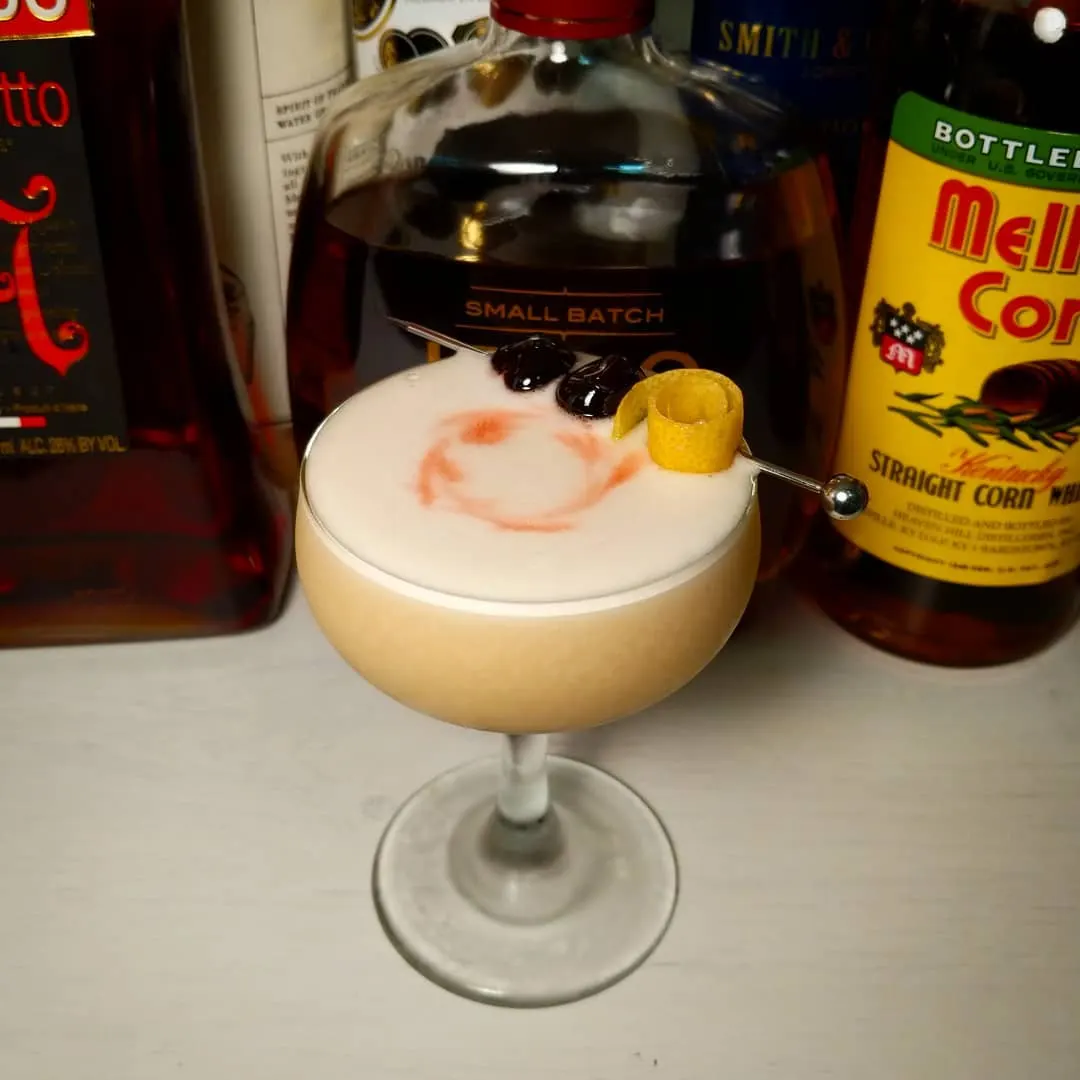
- The whiskey sour recipe, 0.75 oz of 1:1 per drink.
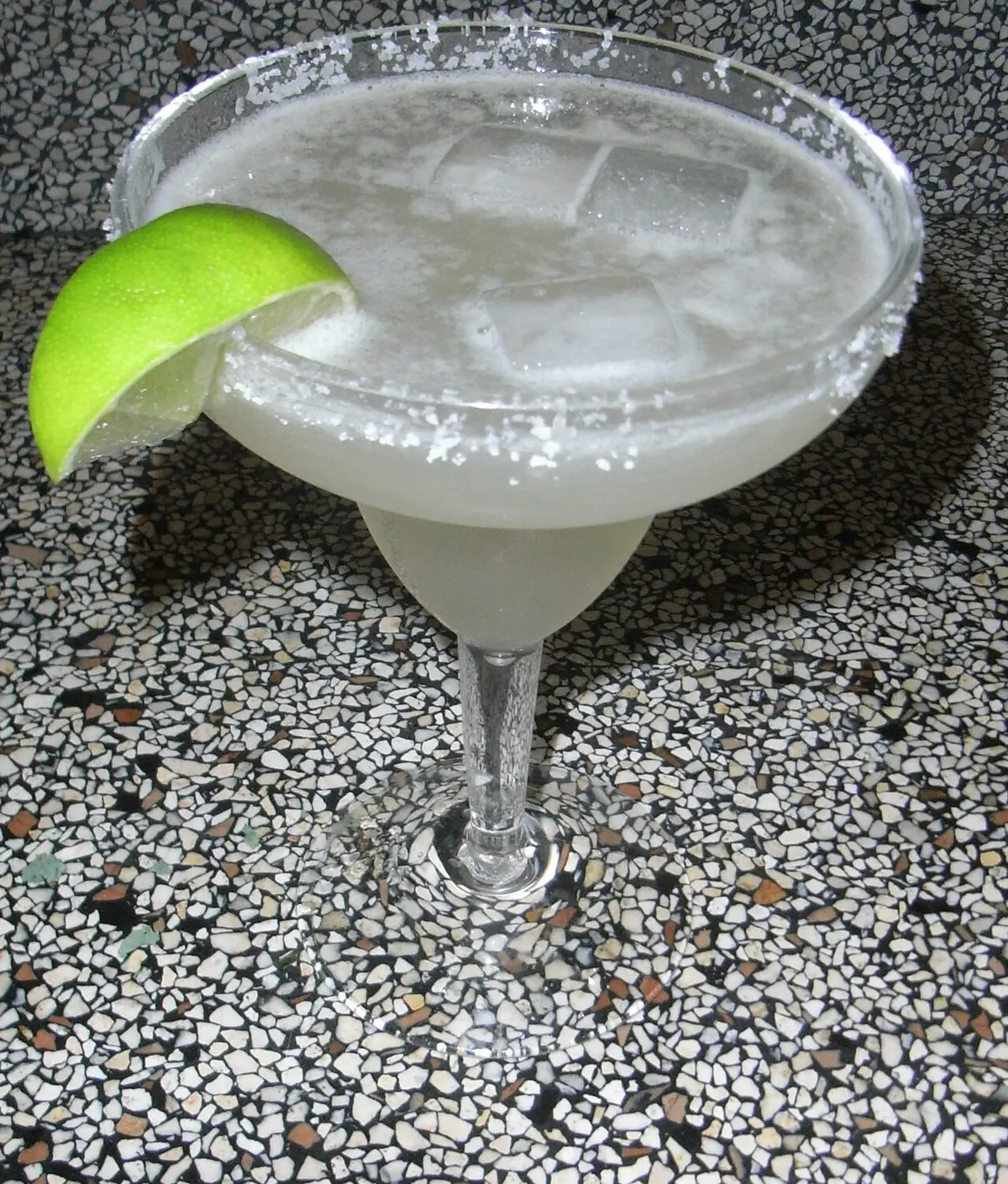
- The margarita recipe, where Cointreau does most of the sweet work, so simple only comes in if your limes are extra sharp.
- The old fashioned recipe, where a 2:1 demerara syrup is the right call over a sugar cube.
- Any of the batch cocktails for parties built off a sour template.
For external reading on the food-science side, the Tales of the Cocktail Foundation piece on housemade ingredient shelf life is the clearest write-up we have found on how sugar concentration actually protects a syrup, and it lines up with what we see in our own fridge.
Responsible pouring
Simple syrup is not alcoholic, but it is what makes strong drinks taste smooth, which is the reason strong drinks get away with being strong. When you dial in your ratios, you also make it easier to overpour, because a well-built cocktail tastes balanced even at 30% ABV. Measure the spirit with a jigger, pace yourself, and always have water on the table. If you are hosting, we cover safer party planning in our batch cocktails guide. All recipes here assume readers of legal drinking age.
Quick answers
What is simple syrup? Sugar dissolved in water, used to sweeten cocktails and other drinks. The default bar version is 1:1 by volume.
How do I make simple syrup? Combine equal parts sugar and water in a saucepan over medium heat, stir until the sugar dissolves (2 to 3 minutes), cool, strain, bottle, refrigerate.
What is the ratio for simple syrup? 1:1 by volume for standard bar syrup. 2:1 for rich syrup that is sweeter and lasts longer.
1:1 or 2:1 for cocktails? 1:1 is the default because recipes assume it. 2:1 for tiki, whiskey stirred drinks, and long-shelf-life batches. Cut the amount roughly in half if you swap 2:1 into a 1:1 recipe.
How long does simple syrup last? 1:1 keeps about 4 weeks refrigerated. 2:1 rich syrup keeps up to 6 months. Always refrigerate, always bottle clean.
Can I make it without heat? Yes. Shake equal parts sugar and warm tap water in a jar for 90 seconds. Use inside 2 weeks.
How do I flavor it? Steep vanilla bean, sliced ginger, citrus peels, mint, jalapeno, or coffee in the warm syrup off the heat, then strain.
How much simple syrup per cocktail? 0.75 oz of 1:1 for a classic sour. A bar spoon (0.25 oz) for an old fashioned. Taste as you scale.